Monday, January 17, 2011

Traders As Athletes: Recovery and Relaxation

Let's look at the typical day in the life on a trading desk. Whether you're a pure execution trader at an institution, trading for your own accounts or something in between, you're probably in the office around 5-6am (this can be time zone dependent and varies greatly) and out somewhere between 10-14 hours later (also time zone dependent and variable). You spend the bulk of your day on the phone and/or staring at screens (sedentary) BUT you're most likely operating with elevated stress hormone (cortisol) levels, elevated heart rate and tension and probably constantly assimilating information, calculating risk and making decisions. This is nothing new to anyone who has worked around the markets for any appreciable amount of time.
 
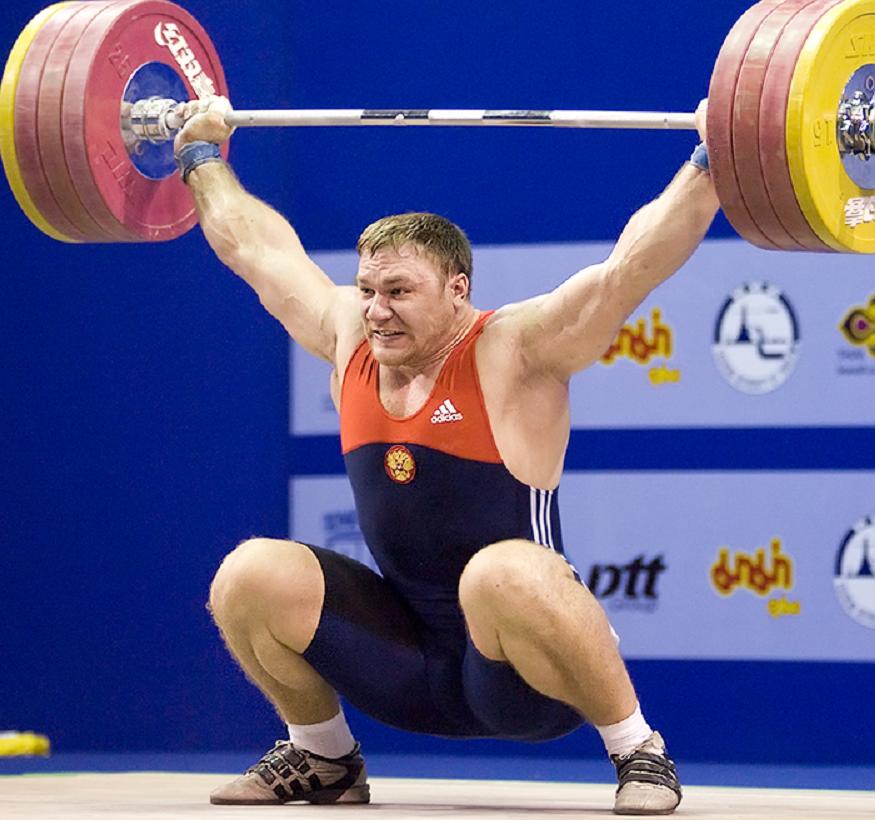
This isn't all that different from training for elite-level sport. Olympic-level weightlifters typically train 2-3 times a day for 1-3 hours per session, 6 days a week. Obviously there is a physical component here that isn't applicable to most traders (pit traders excluded!) but the mental aspects of trading can be much more stress-inducing than lifting a barbell or running a sprint. Olympians also have an army of professionals (massage therapy/chiropractic/nutritionists/coaches) keeping their bodies in working order, whereas traders are typically famous for abusing their bodies with bad food, not enough sleep and a wee bit of "occasional" alcohol. Some traders succeed in spite of how they care for their bodies rather than because of it.

Flashing gang signs in downtown Chicago is very stressful
My goal here is to get you to think of yourselves as athletes. You're probably not picking up 400lb barbells, but Olympians aren't shorting 50,000 shares of AAPL with a wife/husband and kids at home, either. The common theme is that both occupations involve maximal performance (mentally and physically) in extremely high-stress situations. Phil Pearlman (@ppearlman on Twitter and Stocktwits; philpearlman.com) addresses the psychological aspects of trading on his shows on Stocktwits TV. He does an amazing job on his show and I recommend him for anyone (trader or not) looking for insights into behavior and why we do what we do. Here I would like to address some of the physical aspects of maximal performance.

In this article, I'm going to focus on recovery as it pertains both to athletes and to traders. In future articles, I'll address training and nutrition ideas. If there is one thing that we all could probably use it's more recovery, whether it be more downtime or more potent use of the time that your already have. I get that some of these might be difficult as we all have commitments: significant other, kids, volunteering, social life, etc. My goal here is to give some actionable ideas you can incorporate into your day to help you recover from your time in your turret. There's nothing here that is overly complicated to implement but the benefits will be tangible. In the finance world it's a badge of honor to avoid sleep and work to exhaustion. I'd argue that you can perform better and at a higher level in ALL aspects of your world with a little more attention to recovery and relaxation.
VERY relaxing image in the dead of winter
(NOTE: I'm recommending some supplements and nutrition products in here. I don't get anything for free or reduced or anything for recommending these; I pay full price to use them because I see a tangible benefit and I like them. That's it)


-Sneak a nap in right after your leave the office; 15-30mins and ideally in silence or with light background noise. This helps to stabilize your stress hormones and clear your mind. Watching TV does not count here as the mind is still active.   -Turn the TV/Wii/computer/iPad/anything with a screen off 1-2 hrs before you wish to be asleep.
-Have a pre-sleep routine to tell your body it's time to call it a day 
-Reading in bed works wonders (iPad/laptop/smartphone EXCLUDED)
-Supplement-wise I would avoid any of the prescription sleep-pills (except as a last LAST resort) and try things like herbal teas (Celestial Seasonings and others make excellent sleep-specific teas) or supplementing with things like melatonin or ZMA (zinc/magnesium/vitamin B6). I like a product called Mineral Support from Biotest; entirely minerals that the body needs anyways.
-Take it easy on the coffee/caffeine/stimulants especially after noon. Stimulants can play hell with your stress hormones as they artificially generate a fight/fight response.
-Buy an awesome mattress and sheets
-USE that mattress and sheets often, if you get my drift (wink wink, nudge nudge); great stress reliever
-Get massages; does wonders for circulation and reduced tension throughout the body
-Get outside and get some sunlight for 20 mins a day. This stimulates Vitamin D production within the body and helps with Seasonal Affective Disorder; which makes you sad-faced when there is less sun. Traders can have this issue year round because of our hours; We've all gone multiple days without seeing the sun when on daylight savings and it definitely affects your mind's function.
-Take fish oil; 5-10 grams or so per day. Your brain is overwhelmingly composed of omega-3 fats and fish oil is essentially pure Omega-3's. This promotes dopamine and serotonin release in the body which calms and relaxes
-Eat plenty of Vitamin C via citrus fruits. At the very least gulp down an EmergenC with a meal.
-Work out (more on this later) and be physically active
-Don't eat industrial waste (also more on this later)


-Be Awesome.

This is my version of Awesome. Be your personal version of this.

Friday, December 31, 2010

How was your 2010?

I always do this thing at the end of the year where I take a look back and think about highlights and lowlights


Sunday, November 14, 2010

Culling the Herd: Negativity

Cull
–noun
4.
act of culling.
5.
something culled, esp. something picked out and put aside as inferior.

Recently, I ran into one of our old training partners during a solo AM workout; for posterity I'll call him Homer J. Homer J trains hard and does a lot of the same lifts that we do; typically good qualities to have in a partner, right? About a year ago, Homer J was culled from our training group. I hadn't really considered the ins and outs of why that happened; it's just something that occurred naturally and was so subtle that we barely noticed until he was gone.

I realize that the culling process happens fairly naturally in the gym; it's natural selection in a very simple and organic way. In the business world or in our relationships, the culling process can be messy and difficult. I'm reminded of a conversation I had at a farmer's market with a bison rancher. I had asked about coming to see the ranch and getting a tour; the exchange was as follows: 

"Sure! We'll give you some alfalfa and you can go feed the bison"
"Wouldn't that be dangerous?"
"Oh heck no; our herd are happy and docile. If we have any troublemakers we ship them off to the slaughterhouse ASAP. It only takes one to impact and stress the herd and it's not worth it to keep them around."

If it's good enough for bison ranchers...
 
You know those days when you walk into the gym or meet up with your group and you can just FEEL the positive energy? If you haven't then I highly suggest you look into finding a different gym because it is palpable in the right environment and it's easy to tap into it and feed off.  People are getting after it, trash talking and hurting but they're genuinely enjoying the process and their partners. This is what happens when you get a group of people together who have GOALS that they are working towards rather than applying blind effort. This is a great example of positive herd mentality and it only takes one person to completely change the dynamics of an environment.

A typical session would start like this: we would trickle in, start to warm up, talk about the workout, joke around and trash talk a bit. Homer J would have none of the laughing and not offer much in the way of input besides "F^#& that; I'm not doing that tonight" or "Oh you gonna blow everyone away tonight?". The translation for this is "I feel like garbage; wouldn't it feel good to feel like garbage together?" These attacks served their purpose of deflating everyone and the group gets quiet in a hurry. In an environment where communication is vital, an attack like this is essentially the nuclear option for positive feedback loops.

Once we move on to our first exercise (typically a heavy press or squat), the trend continues and exponentially grows. Homer J doesn't offer coaching tips. Homer J doesn't hold the boards or foam for pressing. Homer J doesn't spot or offer hand-offs...actually this one isn't entirely correct: we didn't ALLOW him to spot or hand-off because it's too important.  Homer J might offer a "nice lift man" but it's followed by a "looks like that's it for you today". Nothing overly aggressive; typically negativity works best in passive-aggressive tones. This way, if/when the attacker is called out they can retreat under the guise of "Jeez I'm just kidding guys; don't get your panties in a bunch", thereby deflecting blame onto someone else for being overly aggressive. The rest of the day usually continues this way, with assistance and ab work usually done with consternation while undermining everyone else.

Body by Duff
In short: Homer J isn't really a member of the group; he's an island in a landlocked country. He might train very hard and push himself but he isn't a member of the group because he isn't making a positive contribution to anything besides himself. In fact, he's a detriment to the group through his negative actions, emotions and running commentary. This goes back to the whole point of training in a group: to make each other better. I can only speak for myself, but I believe first and foremost it's my responsibility to make everyone else in the group better. Through my partners' victories and PR's, my own will come. This is part of the reason you see training groups celebrate PRs; everyone in that group has a hand in that lifter's record so everyone shares in the achievement. I'll be the first to admit that I'm much more amped and excited for my partners' records than my own   

So how do we fix (or minimize the impact of) negativity? We all have our days where it seems like nothing goes right; that cannot carry over into the gym and to your partners. It's doing a disservice to your partners. If you're having a bad day and you just can't get it out of your head, focus on your partners and focus on making them better. I've had those days where I was so head-f'd that I didn't even train; I handed off, spotted and coached all night. You'll feel those negative feelings fading away with each set, Deflecting your thoughts and focus away from yourself and towards others typically has a positive impact on your frame of mind as well as the people around you and, in my experience, leads to good things in and out of the gym.

Sunday, October 31, 2010

What's Cookin Good Lookin?


I thought I’d give everyone a glimpse into what’s in my meat-free kitchen. Despite loving variety, I’m a minimalist; if I can’t throw it in a stir fry or a salad or prepare it early then I usually don’t purchase it. I keep any sort of processed food to a minimum as I really prefer the clean taste of fresh food. I also don't like the widely held idea that a vegetarian diet has to be a grain-heavy diet. Know thyself!

Let’s start in the pantry:
Dried and canned beans: Black/garbanzo/kidney. These are a staple for their low impact on blood sugar and big shot of protein and fiber. They are also great at absorbing whatever spices and flavors you’re using when you cook.

Quinoa:  The only non-animal product that is a complete protein. I cook this in a rice cooker and use it to replace rice in most of the recipes I cobble together. It makes an awesome rice pudding and a great base for any curries or stir fried meals.

Coconut oil and Shavings: One of the big deficiencies I’ve noticed in the vegetarian diet is an absence of saturated fat. This can have a poor impact on testosterone production in males so I’ve bridged that gap with coconut and grass-fed butter. Remember, as we learned in the movie Castaway, coconut milk is a natural laxative, so be warned. 

Refrigerator:
If you’re open to eating butter, I would recommend looking for butter from grass-fed beef. It’s a nice shot of Omega 3 and 6 as well as conjugated linoleic acid (CLA) which has been proven to inhibit carcinogenesis (cancer cell growth) and inflammation. I want my foods to be processed as little as possible and those fake-butter sprays and spreads don’t fit the bill. The only one I have seen outside of farmer’s markets is called Pasture Butter by Organic Valley and it is seasonal.
            
    Local veggies: I get my vegetables as part of a CSA share with Grant Family Farms in Wellington CO (http://www.grantfarms.com ) This is a great way to get great organic produce, help local farmers and connect with your community; farms typically do tours and gatherings for their members. Farms all over the country use these programs and I recommend you do some searching in your area. You can taste the quality and difference from the fruits and veggies that you pick up at the grocery store.
                WARNING: You may get sticker shock since you’re buying the entire share upfront rather than spreading it out as you do with your grocery bill. Your farm should be able to work out some kind of payment plan if that’s a bit much to pay all at once. For example: This past week I received two bunches of kale,  5 huge heirloom tomatoes, a few onions, a pumpkin, two turnips, a head of cauliflower, a bag of sweet peppers and some fingerling potatoes. It’s a nice bounty to get every week for 6-7 months a year. I supplement this with yams, celery and carrots, bok choy and whatever else is around the store in the winter. It’s tough to go wrong with vegetables.

                Almond Milk: Slowly but surely I’m becoming a convert. I’ve never been a big milk and breakfast cereal type so having any kind of milk has been a new experience. I also get coconut milk on occasion; both tasty and nice to mix with a scoop of protein rather than water.

                Fruits: I gravitate towards things like mango, papaya, banana and pineapple in addition to the stalwarts like apples and pears; I try for massive variety in everything.  Phil Richards (http://www.philrichardsperformance.co.uk/) is a UK-based fitness coach who advocates a diet low in animal products.  He recommends consuming plenty of pineapple and mango to combat B-vitamin losses as well as promote filtration push pH level in the body towards a basic level. Not that you need an additional reasons to eat papaya and mango because they are DELICIOUS, but there you go.  

                Eggs: I get my eggs from Grant Farms as well and I recommend farm eggs over the eggs from the supermarket. You will taste the difference. There are so many good things in the yolks that are difficult to come by with a plant-based diet (choline, CLA, Omega 3’s, etc) that there’s no reason to just consume the whites unless you have special dietary considerations.

                Greek-style Yogurt: I prefer the plain versions as they have the lowest sugar and the highest protein content. Greek style is very thick and it mixes nicely with some frozen berries or in a shake.

Supplementation:  I’m admittedly biased towards Biotest and True Protein with regards to supplement companies as they both offer good prices and quality products. Additionally Biotest is a Colorado-based company.     
                Curcumin: TONS of great information coming out on curicumin as a very powerful anti-oxidant and anti-inflammatory.  Look for one that includes piperine as this will increase the bio-availability of the curcumin.
                Protein Powder: I’m eagerly awaiting my first delivery of vegan protein powder from True Protein. It’s a mix of 75% gemma pea and 25% rice protein and is entirely non-GMO. 
                Creatine Monohydrate: If you’re a strength athlete then this should be a staple. Taking this as directed offers great benefits; there are specific ways to use this around contests but they’re not overly necessary.
                Resveratrol: This is another anti-carcinogen found in the skins of grapes and is part of the claim that red wine is awesome for you.  Data is just starting to emerge on this but it’s very promising.  I take 200mg per day.
                Other than these, I’ll use a post-workout shake with some added aminos and a vitamin and mineral supplement.  I’m supplementing for health first and filling dietary gaps rather than the next big thing in sport performance. In essence I’m striving for a holistic approach to diet and supps rather than a singular focus on sport performance. There is no reason to compromise health (short or long term) for short-lived gains in sport performance.
                                                 
                                             Training for Week 10/23-10/29
I’ve just gotten back into the gym after 5 weeks away from anything lifting-related. My surgeon diagnosed my pain as a sports hernia (essentially a groin tear) rather than a normal hernia and has said he wouldn’t recommend surgery unless it’s still limiting in 3-6 months. So it’s on me to rehab and, since I know it’s just a groin tear, I can be a little aggressive with my rehab work.  I’m also working through bit of biceps tendinitis in my shoulder so it’s probably better that I’m limited so I can focus on healing.

For this week I lifted on Monday and Wednesday. Nothing worth logging; all upper back and shoulder work along with some rower intervals. I’ll start logging again next week when I’m back on a normal training schedule. This next 4 week block will be focused on rehab, diet and cardio with goals based around shoulder/groin pain as well as body composition.  

My goal is to be back to full training by Jan 1 2011; I’m hopeful that 8 more weeks will be enough to get back to reasonable form. My weight has been holding steady around 220.


Quick Hit: Invest in a foam roller and a lacrosse ball; these will set you back a whopping 15 bucks total and do much better work than a lot of soft tissue and massage therapists.  Elite Fitness Systems (http://www.elitefts.com) sells a few different ones for great prices; I recommend the black ones as they tend to stay hard longer and outlast the white rollers (insert innuendo here).  

Roll your front delts, pecs, lats, glutes, IT bands, calves and any tight soft tissue. Even if you aren’t an athlete it’s great for correcting the tightness and pain from being slumped over a computer all day.  Along those same lines: strengthen your upper back and stretch your pecs/front delts.  

If you’re tight and have poor tissue quality then the first few times you roll (especially with the lacrosse ball) will hurt like hell. Keep working it and the soft tissue will become more pliable as the scar tissue is broken away. Rolling also promotes blood flow into the area; lacrosse ball rolling on the soles of the feet feels EXCELLENT and can help with sort feet and inflammation.

Sunday, October 24, 2010

Intro

"It is not enough to be busy. So are the ants. The question is: what are we busy about?" -Henry David Thoreau


It has been two weeks since I last consumed a piece of meat. It was at the House of Tibet in Salt Lake City and the meal was beef momos, which are steamed dumplings. They were delicious. Since then I haven't eaten any meat, have been asked countless times "So why no more meat?" and had one person actually shove a sausage in front of my face. So, with this initial entry, I thought I'd answer this question and offer some background.

So Why No Meat?

First and foremost, because I've never tried to be a vegetarian and I'm a curious person. On the surface, it makes no sense for a strength athlete; conventional wisdom says that weightlifters and athletes NEED large amounts of protein. I see things like The China Study and believe that there has to be a more optimal way of eating; specifically using produce as a base to build around rather than meats. There is precedent in the athletic world: Jason Ferruggia has a good basic article here on weightlifting with a vegan lifestyle. For something a little more detailed, UFC fighter Mac Danzig outlines his lifestyle and diet nicely here.

I'm even more concerned with this now as I'm unable to train with a lower-abdominal injury that I fear will require surgery. It has given me a chance to reassess my training journals and find some trends, the main one being that I've slept better, trained harder and progressed faster when I've been at a lighter body weight. I made great strides when I weighed 205-210 but topped out in the last year when I've been in the 220-230 range. My top lifts increased marginally with the extra 20lbs (10%) of weight gain; not much bang for the buck.


I also can't reconcile with the practices of the meat industry in the United States and I don't have to sustain it with my dollars. I believe it's highly hypocritical of me to advocate compassion and reduction of suffering while supporting factory/farm practices by purchasing the product. Essentially I'm voting with my dollars in favor of farm produce and against factory/farm meats.


More than anything, it's all about finding the difference between "maximal" and "optimal", building a strong foundation and finding purpose in everything. Too often, especially in sport, we gravitate towards the magic bullet supplement. Supplements SUPPLEMENT and build on the base that you build with your general nutrition. In my opinion, the majority of supplements are made from piss-poor ingredients, potentially harmful rather than helpful and are a waste of money.

I welcome all comments and suggestions to add value to this blog; this is YOUR blog as much as mine. My idea in writing is to share my conversion to vegetarian eating as it relates to an athletic lifestyle. My goal is to provide some interesting content and add some value to my readers while chronicling my own trials and tribulations. Not always right or wrong but always honest and genuine. 

Also follow me via Twitter (@kylef)